Understanding the Various Uses Waste Devices in the Recycling Industry
The recycling sector counts heavily on specialized waste devices to enhance processing and recovery. Each tool, from shredders to balers, offers an unique objective that boosts overall performance. Understanding these functions is vital for enhancing sustainability efforts. Commercial garbage compaction equipment. As technology advances, brand-new innovations arise, promising to change typical methods. This advancement increases important inquiries regarding the future of waste monitoring and its influence on ecological conservation. What adjustments exist in advance for this critical sector?
The Function of Shredders in Material Handling
Shredders play a vital duty in the recycling market by efficiently processing various sorts of waste materials. These devices are designed to minimize large products, such as plastics, steels, and natural waste, into smaller, convenient items. This size decrease is essential for subsequent recycling procedures, as it permits simpler handling and sorting. Along with promoting recycling, shredders enhance safety and security by decreasing the risk of injury associated with managing cumbersome waste products.
Shredders contribute to environmental sustainability by making sure that products are refined in a way that makes best use of source recovery. They can take care of a diverse series of materials, making them flexible devices in waste administration centers. The efficient procedure of shredders not just streamlines the recycling procedure yet also boosts the overall efficiency of waste diversion initiatives, advertising a round economy. Their significance in material handling can not be overemphasized, as they act as a foundational action towards sustainable waste monitoring methods.
Exactly How Balers Enhance Efficiency in Waste Management
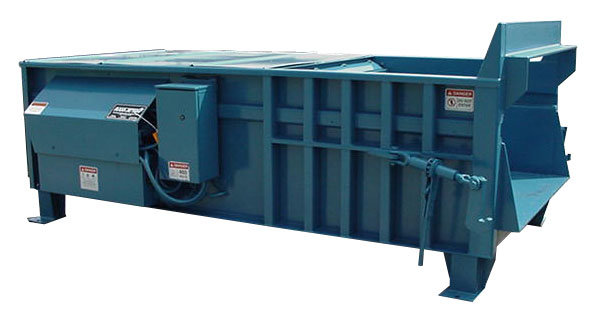
Balers significantly boost efficiency in waste management by compacting numerous products right into bales, which simplifies storage and transport. By compressing recyclables such as cardboard, plastics, and steels, balers considerably reduce the volume of waste. This compression not only makes best use of space in recycling centers yet likewise minimizes the number of journeys needed to carry products, causing reduced fuel costs and reduced ecological influence.
Balers contribute to enhanced safety in waste administration procedures. Compact bundles are simpler to stack and take care of, reducing the danger of mishaps connected with loosened products. The uniform size of bundles enables much more effective filling and dumping processes, improving operations within recycling facilities. Additionally, balers can improve the overall high quality of recyclables, as effectively compressed products are much less most likely to be infected. Generally, balers play an essential role in optimizing waste management practices, advertising sustainability in the reusing industry.
Conveyor Equipments: Simplifying the Recycling Refine
Incorporating innovative machinery like balers considerably boosts waste administration operations, yet the efficiency of the recycling process is better enhanced via using conveyor systems. These systems play a crucial duty in the seamless transport of materials within recycling centers. By assisting in the movement of different waste types, conveyor systems minimize hands-on handling and decrease the danger of contamination during description the recycling procedure.
Conveyor systems can be customized to fit the distinct formats and functional needs of recycling centers. Their capability to operate constantly permits for a constant flow of products, enhancing productivity and ensuring that refining and arranging tools obtains a constant supply.
Geared up with attributes like adjustable speeds and automated controls, conveyor systems can maximize the circulation of materials, considerably boosting total effectiveness (Commercial garbage compaction equipment). Consequently, these systems are crucial in contemporary recycling procedures, enhancing processes and adding to reliable waste management
Arranging Makers: The Trick to Material Healing
Arranging machines are necessary elements in the reusing market, considerably enhancing the effectiveness of product recuperation. These equipments play an essential role in the splitting up of different recyclable products, permitting a structured process that maximizes source removal. By utilizing advanced innovations, such as optical sensing units and air classifiers, arranging machines can determine and categorize materials based upon their make-up, weight, and dimension. This capacity ensures that metals, plastics, and paper items are successfully isolated, minimizing contamination and boosting the high quality of recycled result.
The procedure of sorting machines significantly decreases the reliance on manual work, which can be both time-consuming and susceptible to errors - Commercial garbage compaction equipment. In addition, the automation supplied by these machines speeds up the overall recycling process, leading to greater throughput and boosted functional efficiency. Arranging equipments are essential in achieving sustainable waste administration objectives, enabling the reusing industry to effectively recover valuable products while minimizing garbage dump dependency.
Innovations in Waste Tools for a Lasting Future
Current improvements in waste equipment are Full Article driving the recycling sector toward a much more sustainable future. Technologies such as automated arranging systems, which use expert system and artificial intelligence, improve performance by accurately identifying and separating recyclables. This leads to higher recovery rates and reduced contamination. Furthermore, developments in condensing technology enable extra reliable transportation of materials, reducing carbon impacts throughout transportation.
Moreover, developments in shredding devices enhance the processing of complicated materials, making it possible for the recycling of items that were when regarded non-recyclable. The integration of renewable resource sources, like solar power, in waste handling facilities even more adds to sustainability objectives. Furthermore, advancements in waste-to-energy modern technologies and biodegradable products are reshaping the landscape of waste administration. Jointly, these improvements signify a transformative change within the reusing industry, promoting not just ecological protection however also economic stability for future generations.
Often Asked Concerns
What Types of Materials Can Waste Tools Deal With?
The sorts of products waste devices can deal with consist of plastics, metals, paper, glass, and organic waste. Each devices type is designed for particular materials, enhancing efficiency and performance in sorting and processing different waste streams.
Exactly How Frequently Should Waste Equipment Be Preserved?
Exist Safety Worry About Utilizing Waste Tools?
Security concerns with making use of waste devices include possible injuries from mechanical breakdowns, direct exposure to dangerous materials, and inadequate training. Appropriate upkeep, regular assessments, and staff member education and learning are important to minimize these threats successfully in any type of setup.
What Is the Ordinary Life-span of Recycling Tools?
The ordinary life expectancy of reusing tools usually ranges from 10 to 20 years, depending on aspects such as use strength, maintenance methods, and technical innovations, which can significantly affect sturdiness and efficiency with time.
Exactly How Is Waste Equipment Powered in Recycling Facilities?
Waste equipment in recycling centers is normally powered by electricity, though some machines may make use of different power sources like all-natural gas or diesel. This power makes it possible for efficient processing and improvement of products for reusing objectives.
Shredders play a vital function in the recycling market by efficiently refining various kinds of waste materials. They can take care of a diverse variety these details of products, making them functional devices in waste management facilities. Balers considerably enhance effectiveness in waste management by condensing numerous materials into bundles, which simplifies storage space and transportation. The types of products waste equipment can take care of consist of plastics, steels, paper, glass, and natural waste. Safety and security issues with making use of waste tools include potential injuries from mechanical breakdowns, exposure to hazardous materials, and inadequate training.